Discover the objectives of Miranda Recycling
Manufacturer of fabrics and knits
We are a modern manufacturer of high-quality fabrics and knits – from now on also from recycled materials.
We actively participate in pro-environmental activities, helping to protect the environment, preventing the negative impact of our activities by applying the idea of sustainable development.
How do we care for the environment?
Recycled yarn in textiles
Our idea of protecting the environment is to produce fabrics and knits using recycled yarn. In addition, we carry out other projects, which aims to make our employees and the local community aware of recycling and its positive effects.
We believe that together we can do more!
RCS (Recycled Claim Standard) certification for fabrics and knits from Miranda Textiles
As a company, we possess an RCS (Recycled Claim Standard) certificate. This is an international voluntary standard that verifies the recycled fibre content of the final product.
The RCS programme includes certification of the entire supply chain. Thus, for a fabric to be sold as certified, certain criteria must be met at each stage of sourcing, processing and marketing the recycled raw material.
This is an extremely important certification for us, as it confirms Miranda Textiles’ real commitment to environment protection, by levelling and converting PET waste into recycled yarn. Every metre of recycled fabrics and knits contributes to reducing the amount of waste on our planet.
Steps in the production of fabrics and knits from recycled yarns
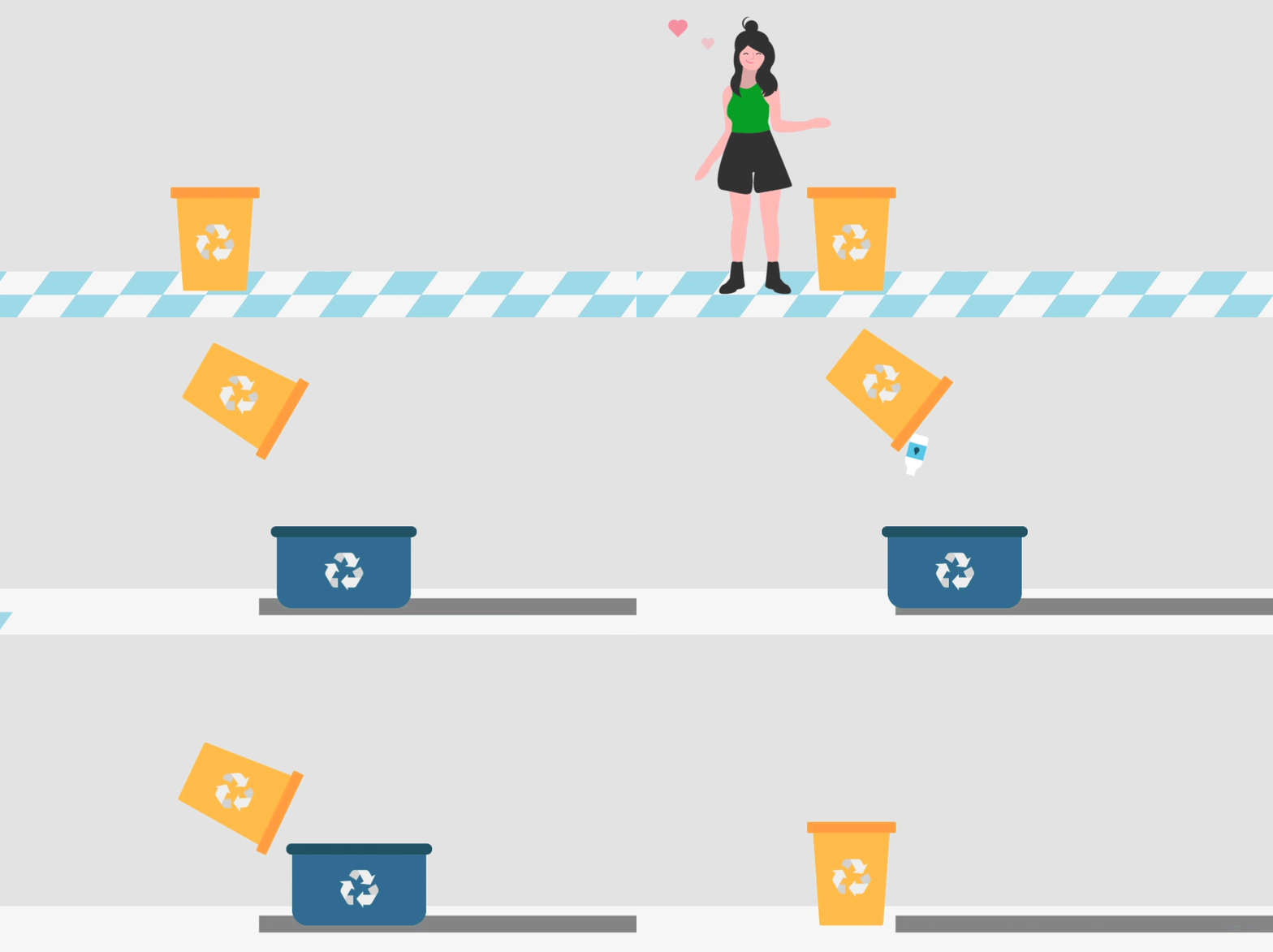
Segregation of PET waste
1/6
The weaving process involves creating a recycled fabric by interlacing yarns with each other – a longitudinal warp and a transverse weft. The order of the interlacing determines the weave. The final process is to give the fabric its characteristic properties.
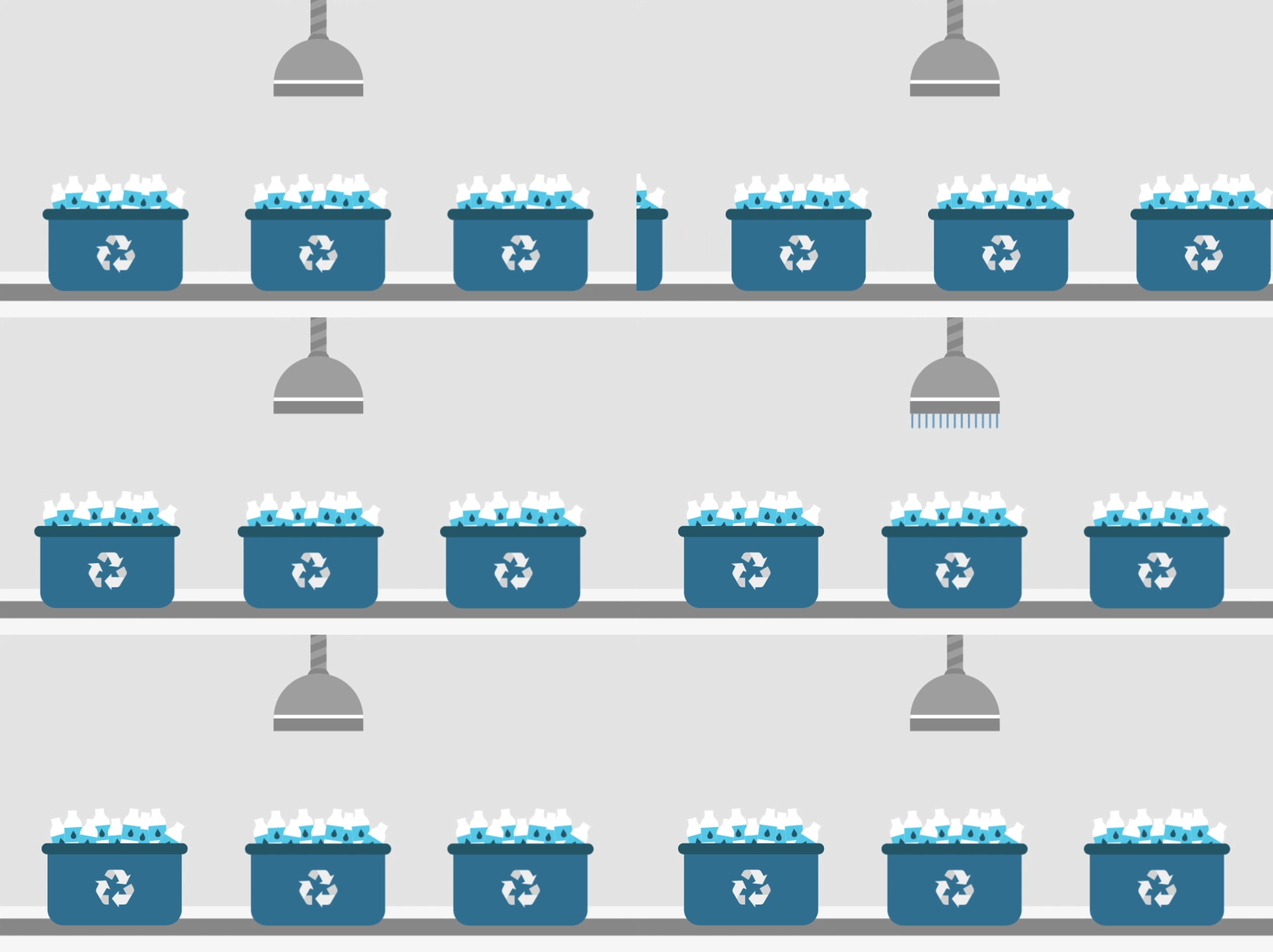
Selection and cleaning of PET bottles
2 / 6
Upon arrival at the production line, PET bottles first undergo a thorough selection. They are then thoroughly cleaned, resulting in the removal of all labels and micro-pollutants.
Shredding PET bottles into flakes
3 / 6
The cleaned PET bottles undergo a process of shredding into fine flakes, using high-performance, abrasion-resistant knives. The resulting flakes are furthermore cleaned of the dust that is generated during the shredding process.
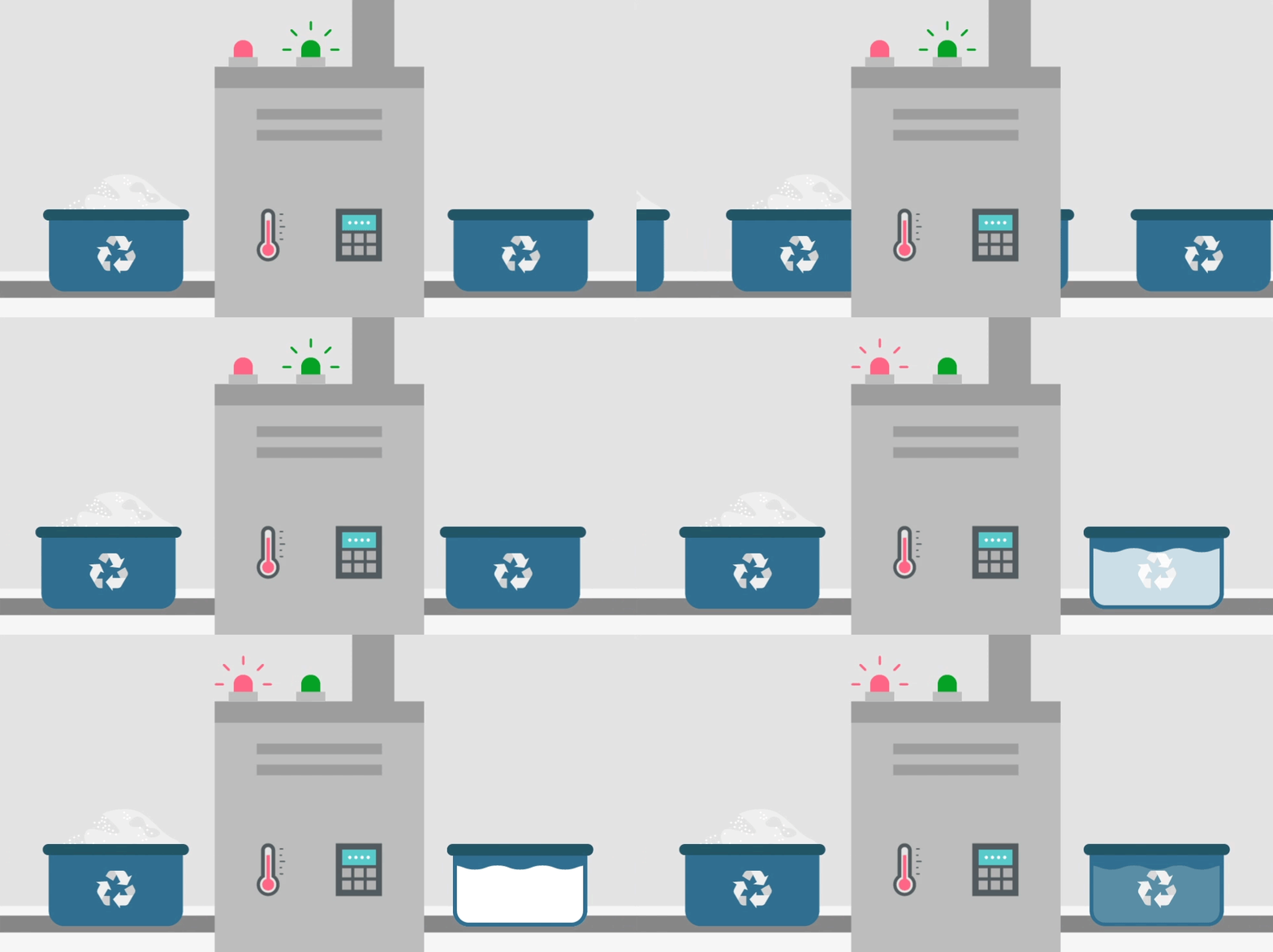
Regranulation process
4 / 6
The regranulation process involves remelting previously obtained flakes to form granules. The crushed and cleaned flakes are subjected to thermal treatment at up to 285°C to 300°C. The resulting granulate is ready for the manufacture of recycling yarns.
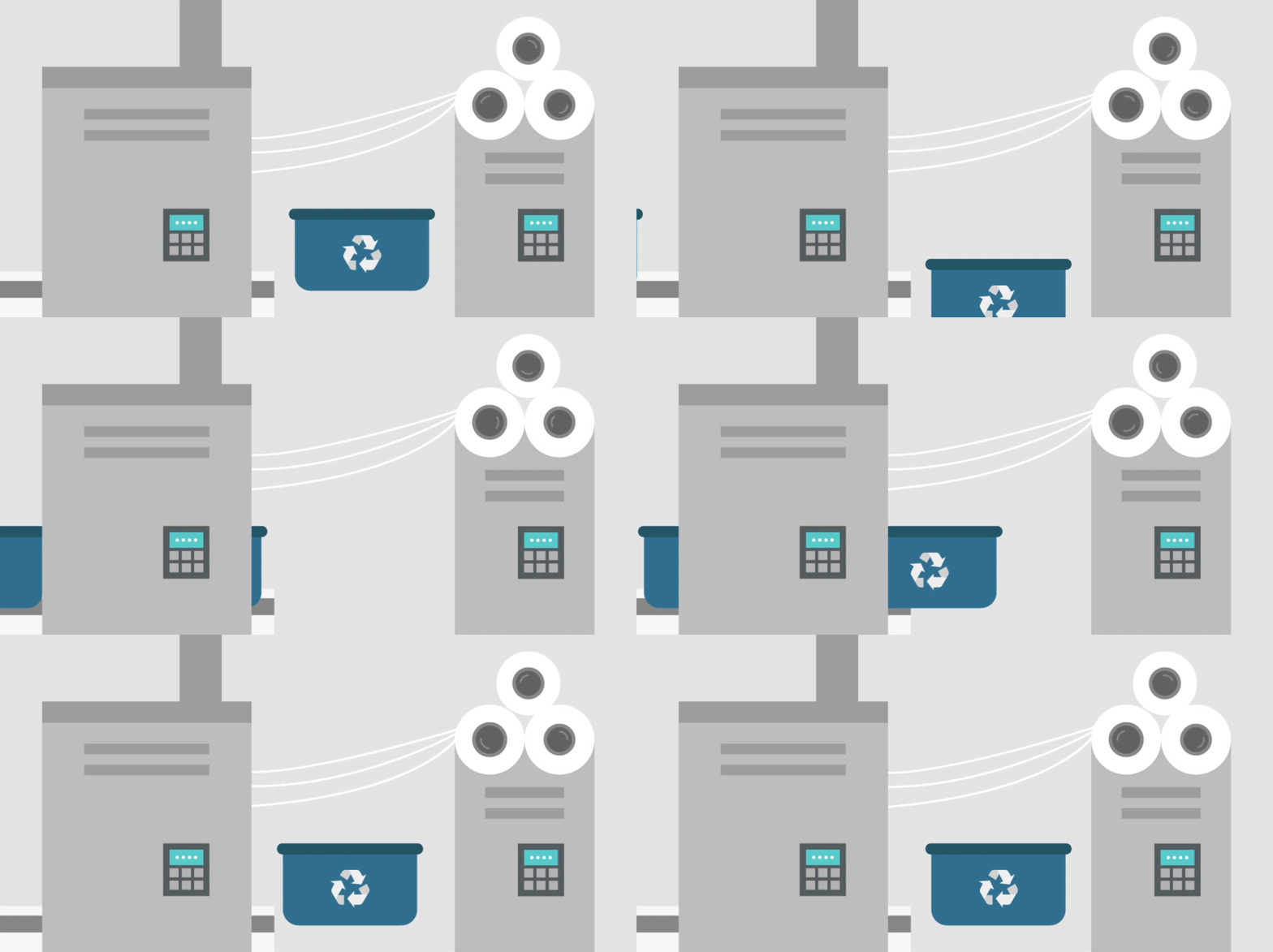
Manufacture of recycling yarn
5 / 6
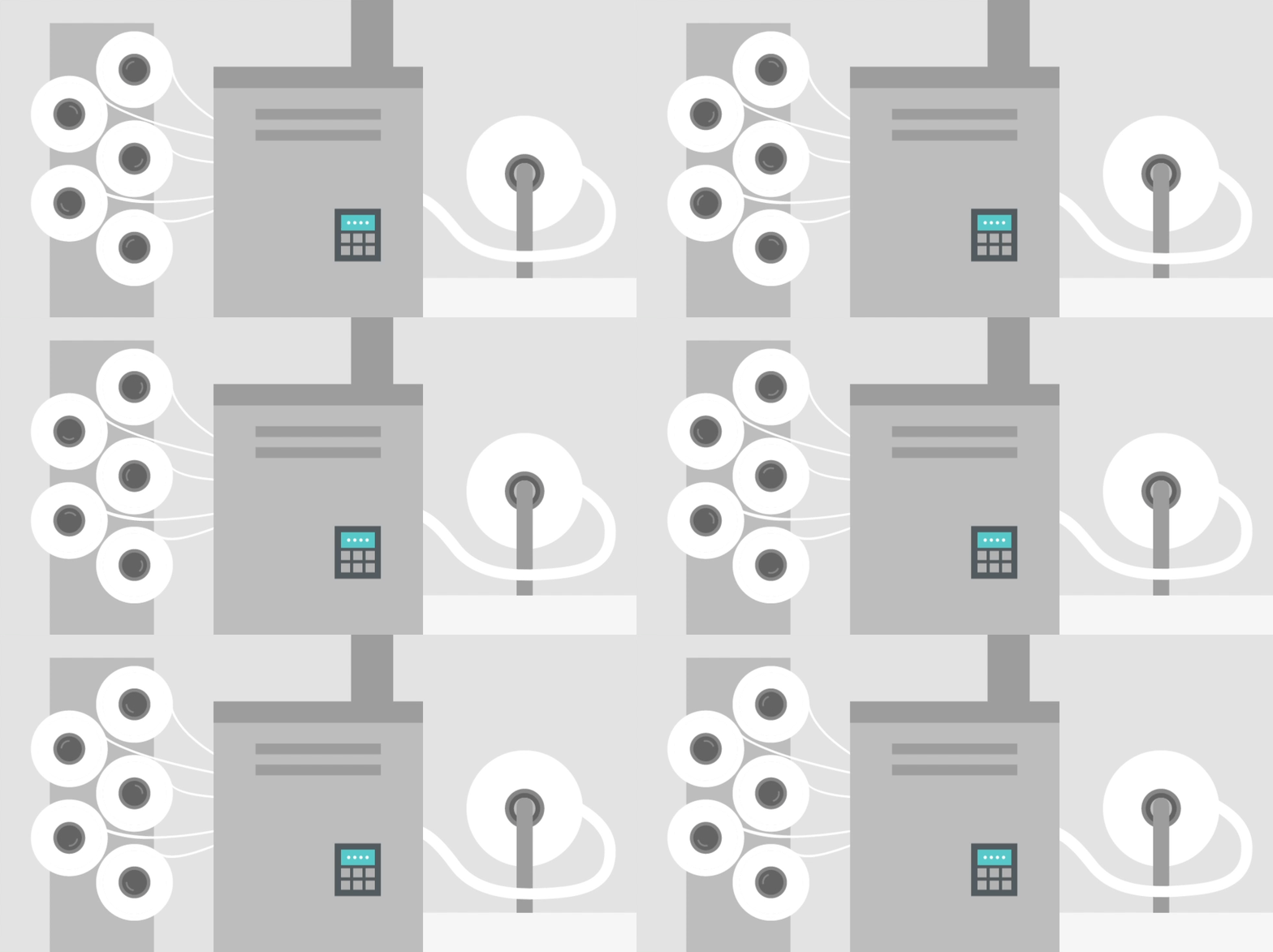
The step of making recycled yarn involves stretching the pellets into thin fibres in a spinning machine. The windings are wound very loosely to facilitate a bleaching or dyeing bath. The finishing process allows the prepared yarn to be transferred to the weaving machine.
Creation of a recycling fabric
6 / 6
The weaving process involves creating a recycled fabric by interlacing yarns with each other – a longitudinal warp and a transverse weft. The order of the interlacing determines the weave. The final process is to give the fabric its characteristic properties.
Recycled fabrics from recycled yarns
How to get a quote for fabrics?
Four simple steps to a fabric quote
Find the fabrics you’re interested in
Use the search function and filters to quickly find products that meet your requirements.
Add selected fabrics
Click the “Add to enquiry” button next to each fabric to create a list of products for quotation.
Specify your requirements
Go to the enquiry list and enter the number of running metres for each selected fabric.
Receive a personalised quote
Complete the contact form and click “Submit enquiry”. Our team will prepare a quote and get in touch with you.
Showing all 10 results
-

REC 1
206431 BC/WO/WD2/TMore information -

REC 10
206584 BS/AN/TMore information -

REC 11
206640 AN/BC/WPLMore information -

REC 12
206641 AN/BCMore information -
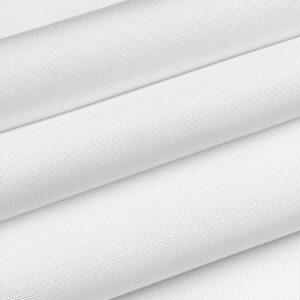
REC 2
206489 AN/TMore information -
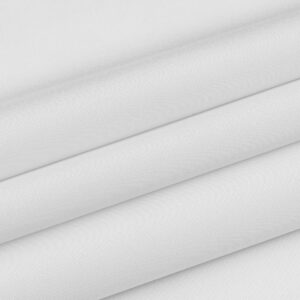
REC 3
206491 AN/TMore information -
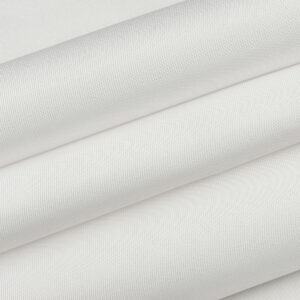
REC 4
206417 BC/WO/WD2/TMore information -
REC 5
101762 BC/WPL DMore information -
REC 6
101763 AN/TMore information -

REC 9
206533 BC/WO/WD2/TMore information
Manufacturer of recycled fabrics from recycled yarns
We are a long-established manufacturer of polyester, polyamide, blended and, more recently, recycled fabrics and knits. Our most important differentiators in the market are strength, quality and the aforementioned experience. We are one of the few in Europe to have a complete production cycle located in one place. Our technological park is constantly being developed and modernised. Our fabrics and knits are exported to 30 countries around the world.
All our products are manufactured in accordance with the requirements of the approvals and certificates we hold. Recycled fabrics are no different, as we use yarn from recycled PET bottles to produce them.
The recycled yarn produced is environmentally friendly in many respects. The most important and visible of these is the reuse of already used PET bottles, which leads to a reduction in landfill waste.
For ourselves, it is above all the culmination of our efforts in producing recycled fabrics using recycled yarn – as an environmentally friendly product throughout its life cycle. By this we mean the process of sourcing raw materials, processing them, producing the fabric, its distribution, use and biodegradation. All standards and criteria for the EU Ecolabel are set by EU bodies in consultation with representatives from industry, consumers, environmental organisations, trade and public authorities.
Nowadays, the EU Ecolabel is one of the most reputable product labels in a wide variety of industries. All because of the product verification body and the control of products at every stage of their existence. The Ecolabel was established by the European Commission in 1992.
PET plastic bottles are first carefully selected and then cleaned of any impurities. They are then shredded and subjected to a regranulation process to produce pellets. This is the base raw material for the production of recycled yarn, and this is the final step to produce the recycled fabric.
If you have any questions about fabrics from recycled yarns, please contact us.
Take care of the environment with us!Close >>
The recycled yarn produced is environmentally friendly in many respects. The most important and visible of these is the reuse of already used PET bottles, which leads to a reduction in landfill waste.
Miranda Recycling’s EU Ecolabel fabrics
The EU Ecolabel is a certification that a business has produced an environmentally friendly product and that it is of the highest quality. The label is also visible to consumers, enabling them to make an informed purchase.For ourselves, it is above all the culmination of our efforts in producing recycled fabrics using recycled yarn – as an environmentally friendly product throughout its life cycle. By this we mean the process of sourcing raw materials, processing them, producing the fabric, its distribution, use and biodegradation. All standards and criteria for the EU Ecolabel are set by EU bodies in consultation with representatives from industry, consumers, environmental organisations, trade and public authorities.
Nowadays, the EU Ecolabel is one of the most reputable product labels in a wide variety of industries. All because of the product verification body and the control of products at every stage of their existence. The Ecolabel was established by the European Commission in 1992.
PET bottle recycling – what do we recycle and how?
Plastic waste is one of the greatest man-made environmental hazards. It is estimated that 10% of household waste in Poland is made up of various types of plastics. It is difficult to find an industry that is free of them. We, wanting to have a positive impact on the environment around us and to contribute in some way to reducing pollution, decided to create recycling fabrics using recycled yarn – created from PET (polyethylene terephthalate) bottles.PET plastic bottles are first carefully selected and then cleaned of any impurities. They are then shredded and subjected to a regranulation process to produce pellets. This is the base raw material for the production of recycled yarn, and this is the final step to produce the recycled fabric.
Performance and technical characteristics of recycled fabrics
The performance and technical parameters of recycled fabrics are comparable to those of fabrics produced using standard yarns. The recycled fabrics were subjected to the same tests as the other fabrics: mass per unit area, breaking force, elongation at break and tearing force. Aging, water resistance and watertightness tests were also performed. The results of all tests and studies have proven that recycled fabrics are in no way inferior to fabrics made from traditional yarns. When you purchase our products, you can be sure that you will receive a products that meet all your expectations.If you have any questions about fabrics from recycled yarns, please contact us.
Take care of the environment with us!
Do you have any further questions about our products?
Contact us!
One of our sales representatives will answer your questions as soon as possible.